
Let Me Remember
or be remembered

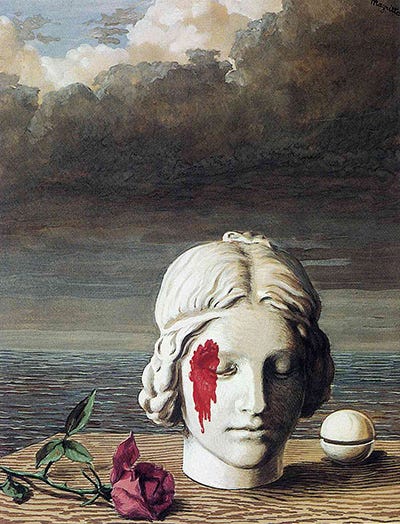
I have forgotten nearly everything that has happened to me.
Looking into my own past is like seeing through a glass darkly, where images, half-begotten and faded, slide in and out of focus. I mentioned this, my inability to grasp the past, to a friend once and she asked what traumatic events had soured my childhood.
What do you mean, I wanted to know. Such forgetfulness, she explained, is often a method for coping with trauma. We forget what we wish we'd never experienced.
Truthfully, unless my mechanism for coping is much stronger than I think, there is no traumatic event in my past from which I wish to escape.
Rather, and perhaps worse, I fear only that there is very little worth remembering.
My greatest fear is not death or dying, but reaching the edge of mortality and looking back but seeing nothing. To slip, essentially, from one unknown into another, bewildered and frightened. An animal with no past or future. A brief waking moment in a long, uninterrupted sleep.
Nietzsche talks about, somewhere, “active forgetfulness,” or the ability to forge a true personhood by releasing the past. By letting go of the past, actively forgetting what holds us back, we can be reborn in each new instant.
Borges, in his story Funes El Memorioso explores this theme through the character of Ireneo Funes, a young man who is cursed with the inability to forget after a head injury. Due to his machine-like memory, Ireneo loses himself in the concretization, the vast accumulation, of everything he's ever experienced. While able to reconstruct completely every day he's lived, each dream he's slept through, and every word he's ever read, he cannot imagine a new neighborhood on the edge of town because he's never seen it in person. His total recall has annihilated his ability to generalize, abstract, or conceptualize anything beyond his direct experience.
These concepts console me in the face of my forgetting. I am, I say, always new, always reborn; experiencing each new moment as if it we're my first. Everything in life only happens once, I tell myself, evoking Heraclitus and La Dispute (iykyk). I am only man and forgetting is my destiny.
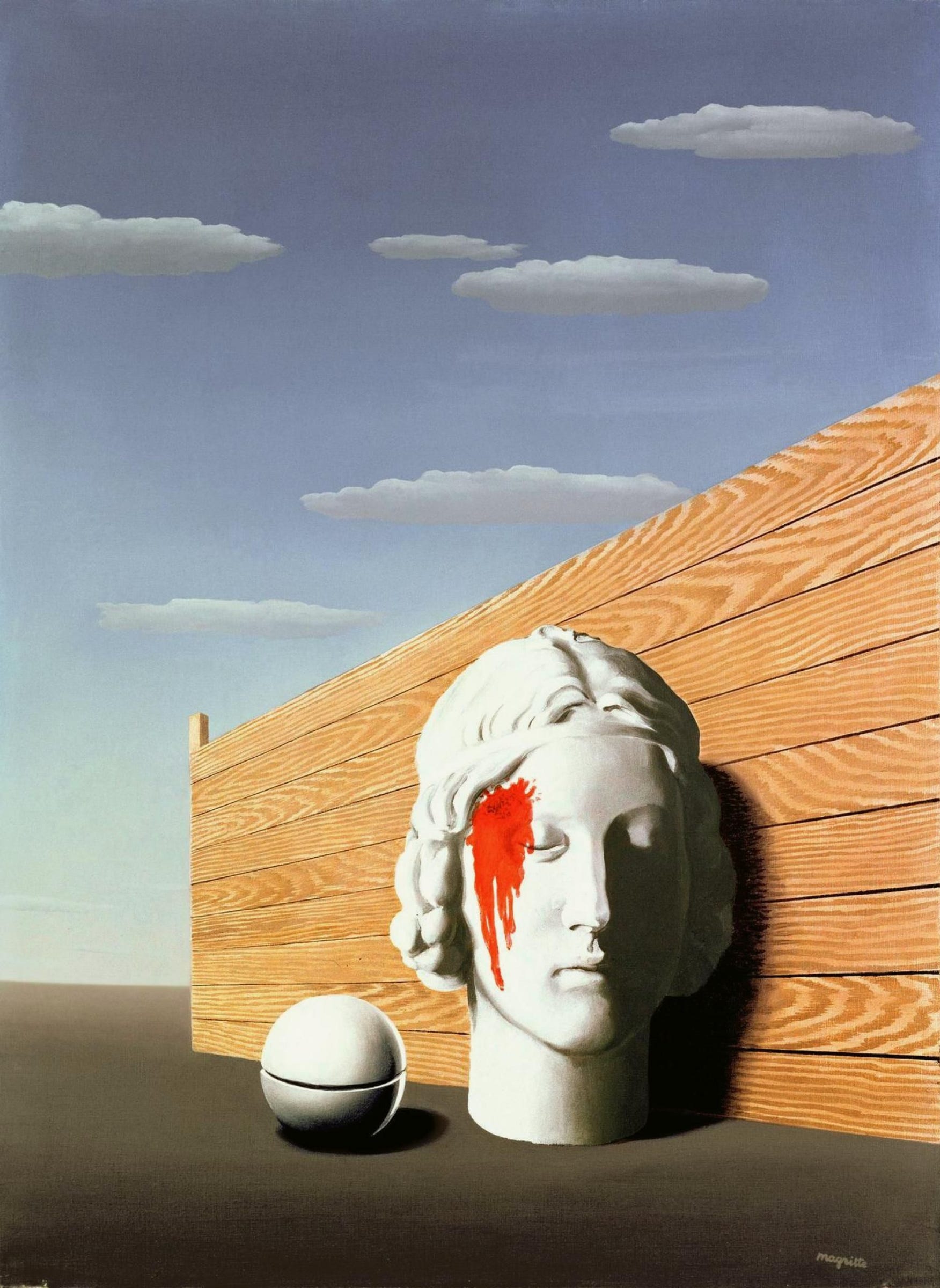
But then I'll look at my children, stunned that they are no longer babies. On my phone I'll thumb through pictures of them, realizing with pain and horror that I cannot remember my daughter's first words; cannot remember her first voice, before it grew as her body grew; cannot remember the weight of my son just after he was born or the sound of his cries that kept us up for nights on end.
A terror sinks in and I scrabble at the recesses of my mind, trying to pull together what scraps I can and from them cobble together a life.
One day I will die and I hope there is an afterlife.
Otherwise forgetting will fall into oblivion and what I was will only last for a pair of generations, at most, in the minds of my children and their children before disappearing completely. Maybe this is immature, my inability to accept being forgotten.
I accept that and still hope dearly that something of me remains.
You now I love a deeply personal essay about one's greatest fears. You should read this if you haven't already.
Some People Can’t See Mental Images. The Consequences Are Profound
https://www.newyorker.com/magazine/2025/11/03/some-people-cant-see-mental-images-the-consequences-are-profound